Heat Divide
Every summer, India is reminded that climate change is no longer a future threat but a present reality.
How India’s approach to summer eating shifted in 2026, from anxious diet trends to seasonal, intuitive, and traditional food wisdom that actually works.




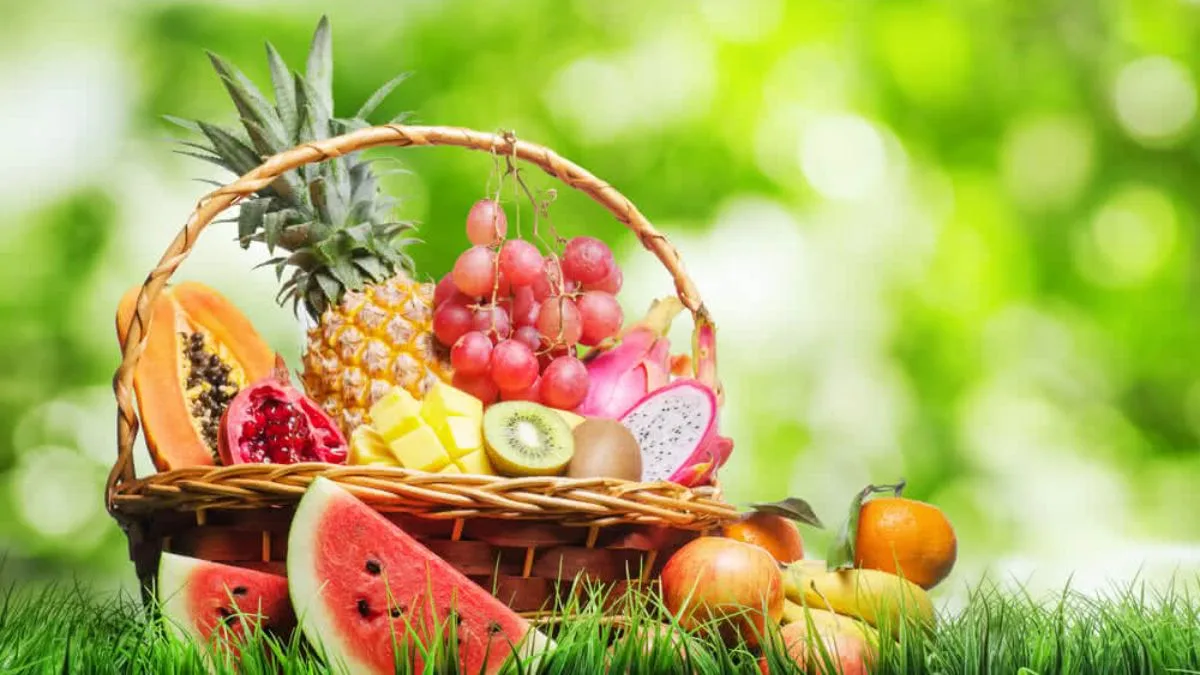
Representative Image
For years, India’s relationship with healthy eating was loud and anxious. It came with calorie counters, banned food lists, WhatsApp-forwarded charts, and a rotating cast of celebrity-endorsed plan, keto one season, intermittent fasting the next. Every summer brought a new rulebook, and most people abandoned it by June.
Something has changed in 2026. Walk into a home kitchen in Bhopal, a tiffin service in Pune, or a neighbourhood dhaba in Coimbatore, and the conversation around food sounds different. Less frantic. More grounded. People are not chasing a body transformation before a wedding or reversing a blood report in thirty days. They are simply trying to eat in a way that makes sense for the season, for their body, and for the long run.
Advertisement
This is not minimalism for its own sake. It is a genuine, ground-up recalibration of what “eating well” actually means in an Indian summer.
Advertisement
India’s summer, which now stretches from March through June in most of the country, and longer in many states, puts the body under real pressure. Sweating, lethargy, digestive sluggishness, and disrupted sleep are not inconveniences. They are signals. The body in peak heat functions differently, and what worked on a January morning can feel like a burden in May.
Traditional wisdom acknowledged this. Grandmothers kept curd in clay pots. Summer lunches were lighter, built around cooling grains and vegetables with high water content. Afternoon meals shrank; mornings and evenings carried more. This was not a diet. It was common sense, passed down through lived experience.
What is happening in 2026 is that a younger, more urban generation is rediscovering these instincts, not through nostalgia, but through fatigue with the alternative. The wellness industry sold them complicated systems. Those systems made them more anxious about food, not healthier. Now they are stepping back and asking a simpler question: what actually feels good to eat right now?
Across Indian kitchens this summer, a handful of ingredients have quietly reclaimed their place at the table. Sattu, roasted chana flour, is being stirred into cold water with lemon and black salt and consumed as a mid-morning drink across Bihar, UP, and now far beyond. It costs almost nothing, keeps the stomach full without weighing it down, and handles heat far better than a protein shake.
Raw mango is back in everything. Not just as aam panna, though that too, but grated into dals, stirred into chutneys, and eaten sliced with salt and chilli as an afternoon snack. The natural tartness cuts through the heaviness of summer meals, and the hydration is a bonus nobody is calculating.
Kokum, long known to coastal Maharashtra and Kerala, is turning up in urban cafés and home refrigerators across the country, valued for its cooling effect and its ability to settle a restless stomach. Tender coconut water continues its ascent, not as a packaged product but sourced fresh, which has driven a visible increase in roadside vendors in tier-two cities.
These are not superfoods given a Western rebrand. They are local, affordable, and effective, and people are reaching for them because they work, not because an influencer told them to.
One of the clearest shifts in 2026 is how people are thinking about meal size in summer. Portion reduction used to be a punishment, something you did reluctantly to hit a number on a scale. That framing is fading.
Instead, there is growing recognition that eating less in summer is simply what the body asks for. Appetite naturally dips when ambient temperature rises. Fighting that signal forcing large meals because a meal plan demands it is being quietly abandoned by many people who tried it and felt worse.
What is taking its place is an instinctive, meal-by-meal reading of hunger. A lighter breakfast of poha or overnight soaked oats with fruit. A proper but not heavy lunch. A gap in the afternoon that might involve a cold drink or a handful of puffed rice. An early, small dinner. This rhythm is neither new nor revolutionary. It is how most Indian households ate before processed food and desk jobs rewrote the schedule.
Drinking more water in summer is advice as old as summer itself. But the way Indians are approaching hydration in 2026 shows more nuance than the standard eight-glasses directive.
There is an understanding, spreading through social media and reinforced by personal experience, that how you hydrate matters as much as how much. Drinking large quantities of plain cold water on an empty stomach in peak heat does not always help, it can dilute digestive strength and cause bloating. Spaced, mindful hydration with occasional electrolytes; rock salt, lemon, a pinch of jeera powder, does more work.
Homemade hydrators are having a moment: jaljeera, nimbu pani without excess sugar, chaas made thinner and spiced lightly, even plain water stored in earthen pots overnight. The kombucha and cold brew trends have not disappeared, but they sit alongside traditional options rather than replacing them. The market is wider, and the choices are more honest.
If there is a template emerging for India’s smart summer plate in 2026, it is not a prescribed plan, it is more a set of tendencies.
Breakfasts lean cooling and light: fruits, thin poha, idli with sambar, soaked nuts, or a simple smoothie made with curd and seasonal fruit rather than imported protein powders. Lunches remain the anchor meal, rice or roti with a dal, a sabzi made from seasonal summer vegetables like lauki or tinda, and a bowl of curd. Nothing extravagant, nothing extreme.
Dinners are shrinking. This is perhaps the most consistent shift across income groups and geographies. The heavy evening meal, a habit partly inherited from desk work and late family schedules, is being replaced by soups, khichdi, or just a lighter version of lunch. People are sleeping better, they report, when they honour the body’s diminished appetite at night.
Snacks are more intentional. A handful of roasted makhana. A glass of sattu. Sliced cucumber with chaat masala. These are not diet foods. They are just smart, seasonal choices that do not demand much from a digestive system already working harder than usual.
What makes 2026 different is not the ingredients on the plate. Many of them have been there for centuries. It is the intention behind them. Indians are not eating lighter this summer because someone told them to lose weight. They are eating lighter because they have decided to pay attention.
That distinction matters enormously. Restrictions breed rebellion. Awareness breeds consistency. The person who eats sattu because they know it keeps them energised in the heat will reach for it again tomorrow. The person following a rigid elimination diet will cheat, feel guilty, and abandon the plan by the time monsoon arrives.
Eating smarter is not a trend that will flip in September. It is a quieter, more durable way of relating to food, one that India’s climate, food culture, and traditional knowledge have always supported. The generation finding its way back to this in 2026 is not going backwards. They are, finally, catching up with what was always there.
Advertisement